Six-Day Residential Intervention: A Foundation for Stability
A complete, small-cohort residential program designed for adolescent girls who need more than weekly therapy, but do not require hospital care. We integrate movement, nature, and creative expression to help girls strengthen their internal stability and identity. Ages 13–17 | Four Intake Opportunities Annually | Regional Australia
How the Program Works
Solid Ground provides a purposeful six-day residential experience that allows young people to step out of daily pressures and engage in a structured process of restoration and skill-building
Why six days matter
Real change takes time, space, and the right environment. Across six days, participants: • practise new skills in real time • build confidence through guided challenge • experience safe peer connection • integrate learning through reflection • Each participant leaves with a personalised plan and ongoing support pathway
Who's it for?
Designed for adolescent girls aged 13–17 experiencing emotional or functional distress, who are medically stable and suitable for group participation. We welcome young people who identify as female, and those who feel comfortable in a girls-based residential environment. Participants may feel overwhelmed, anxious, or disconnected, but do not require inpatient or acute psychiatric care. Each young person completes a structured intake process to ensure readiness, safety, and suitability.
Five Pillars of Lasting Change
The program is built around five core areas that support stability, growth, and connection across a structured six-day residential experience. Our approach is trauma-informed, strengths-based, and relational, with practices that support emotional and physical steadiness. Each participant’s experience is guided and personalised to meet their individual needs and readiness.
Nervous system support
Daily movement, time outdoors, and practical grounding strategies support participants to manage stress in real time and feel more steady in everyday situations.
Life skills development
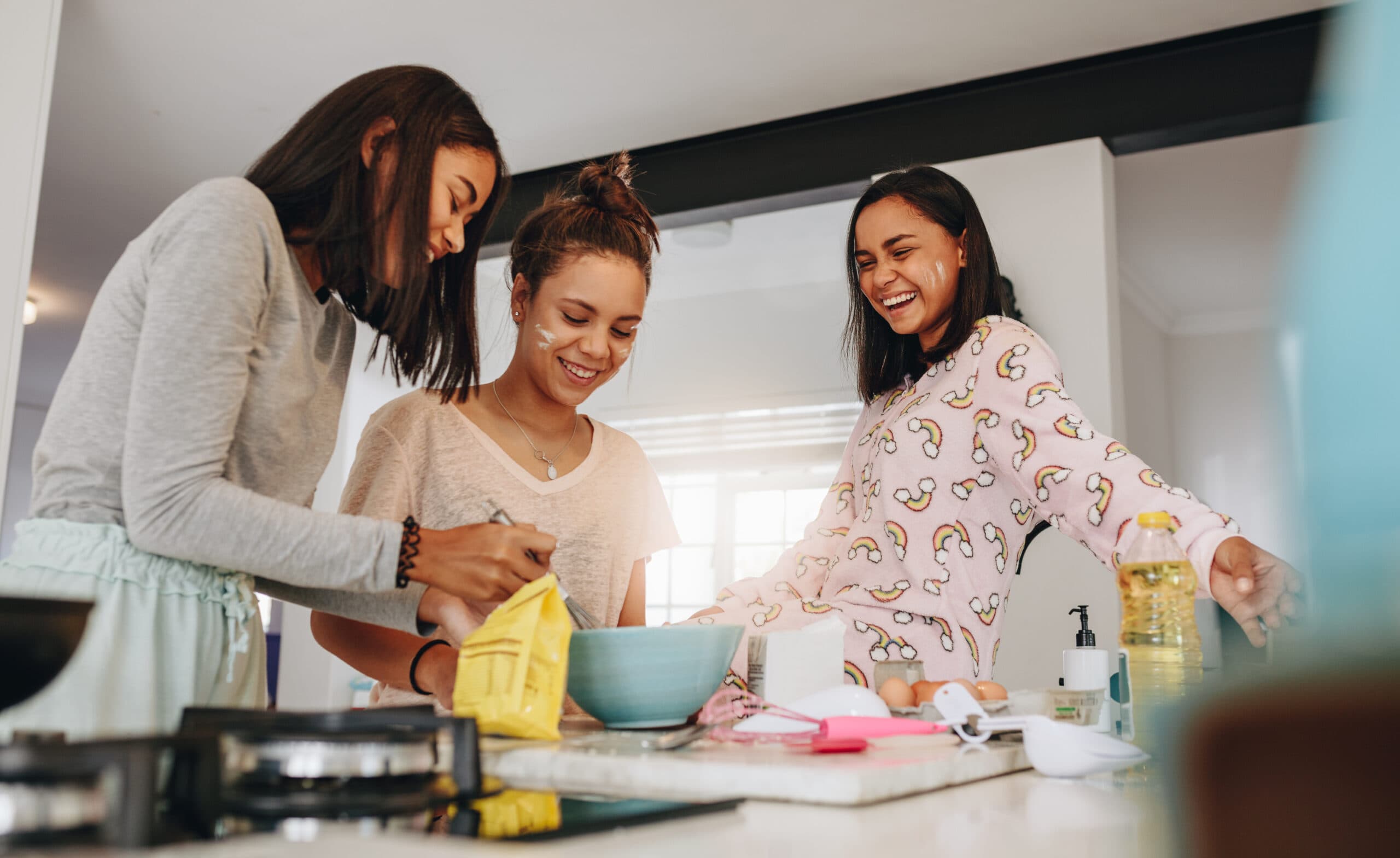
Through shared cooking, group responsibilities, and collaborative tasks, participants build confidence in communication, boundaries, and everyday decision-making.
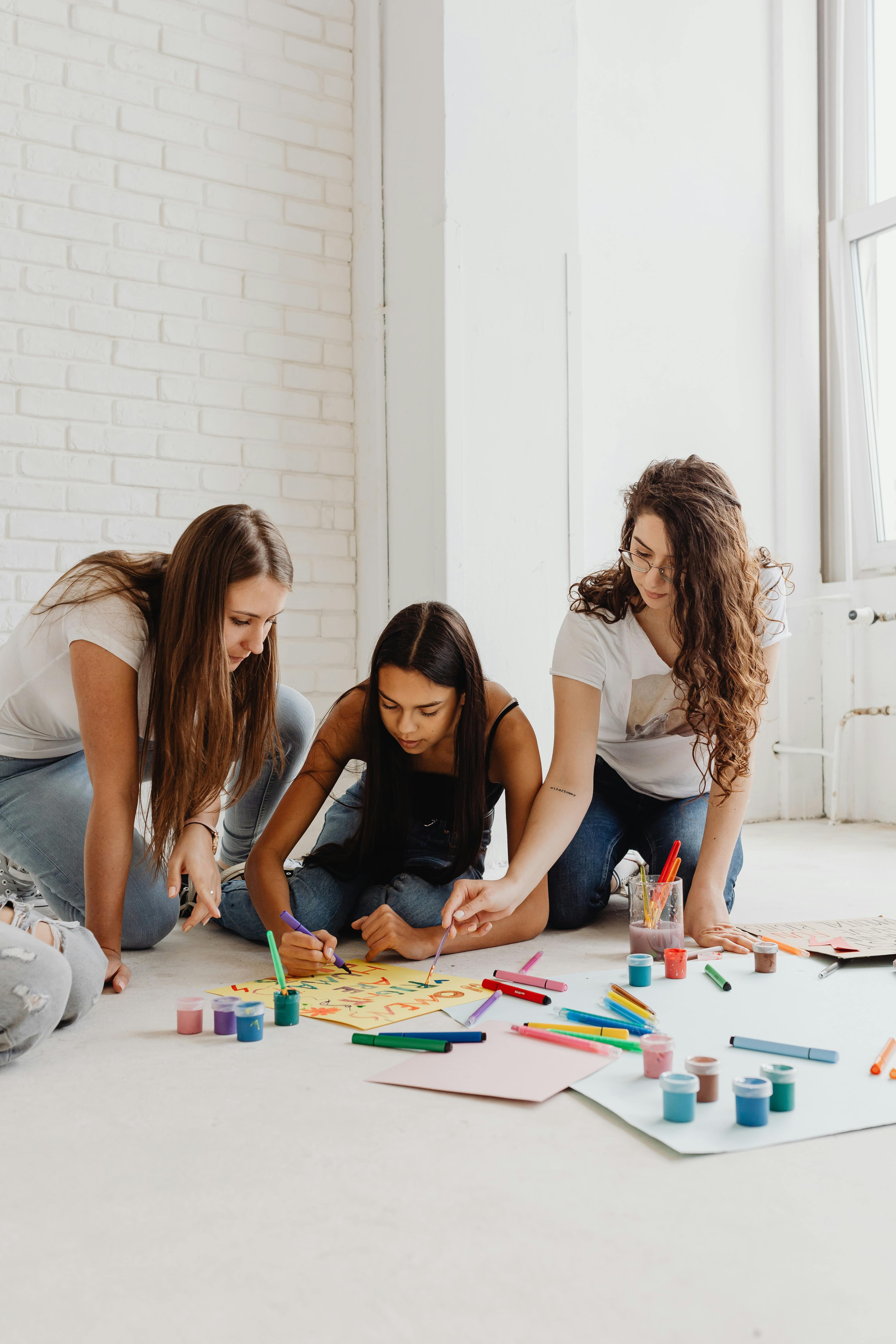
Expressive and identity work
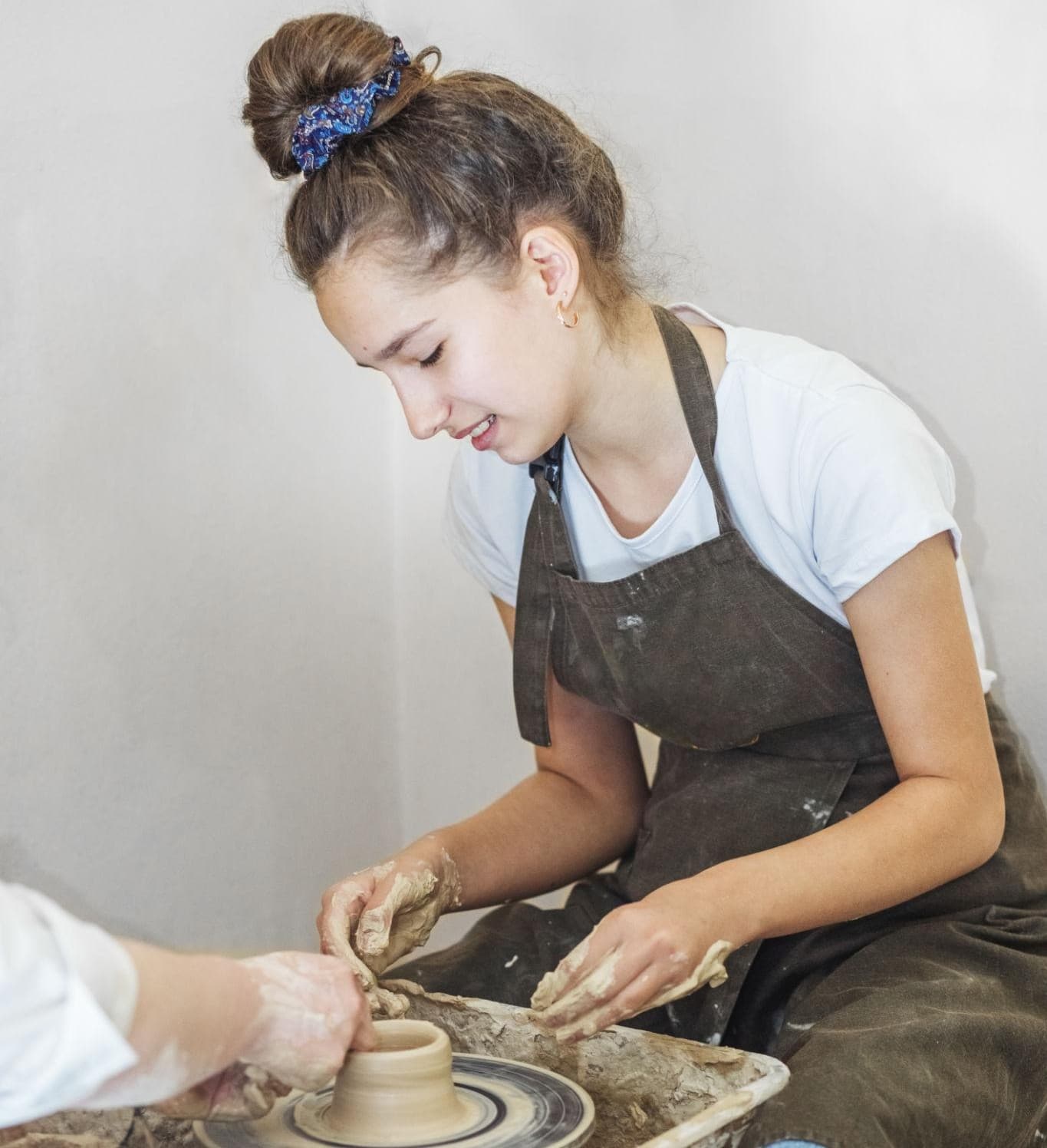
Art, drama, music, writing, and movement create space for self-exploration and support participants to build confidence and authentic expression.
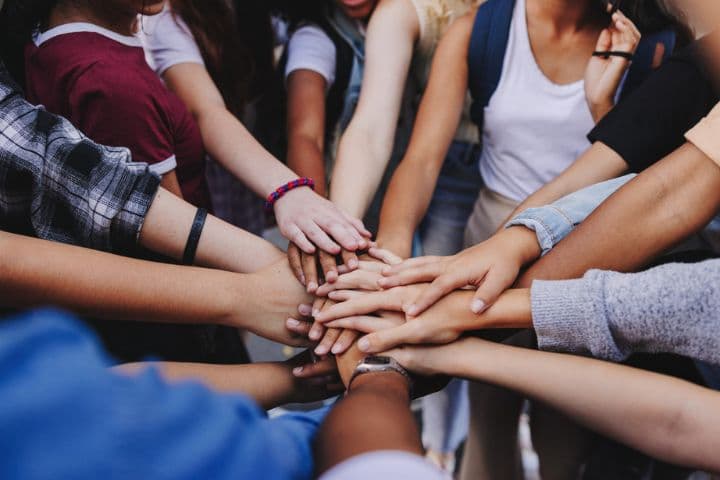
Facilitated peer support
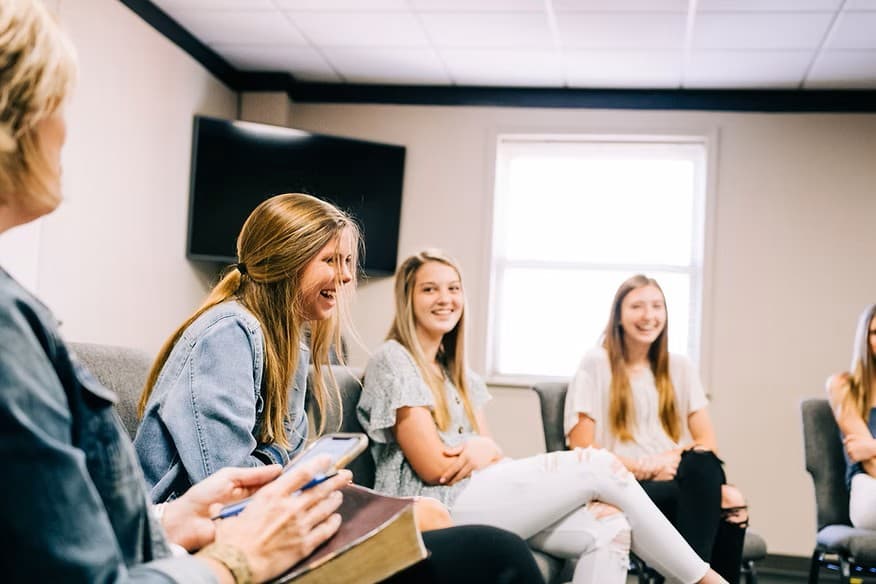
Structured group sessions foster belonging, reduce isolation, and strengthen communication, empathy, and relational awareness within a safe and supported environment.
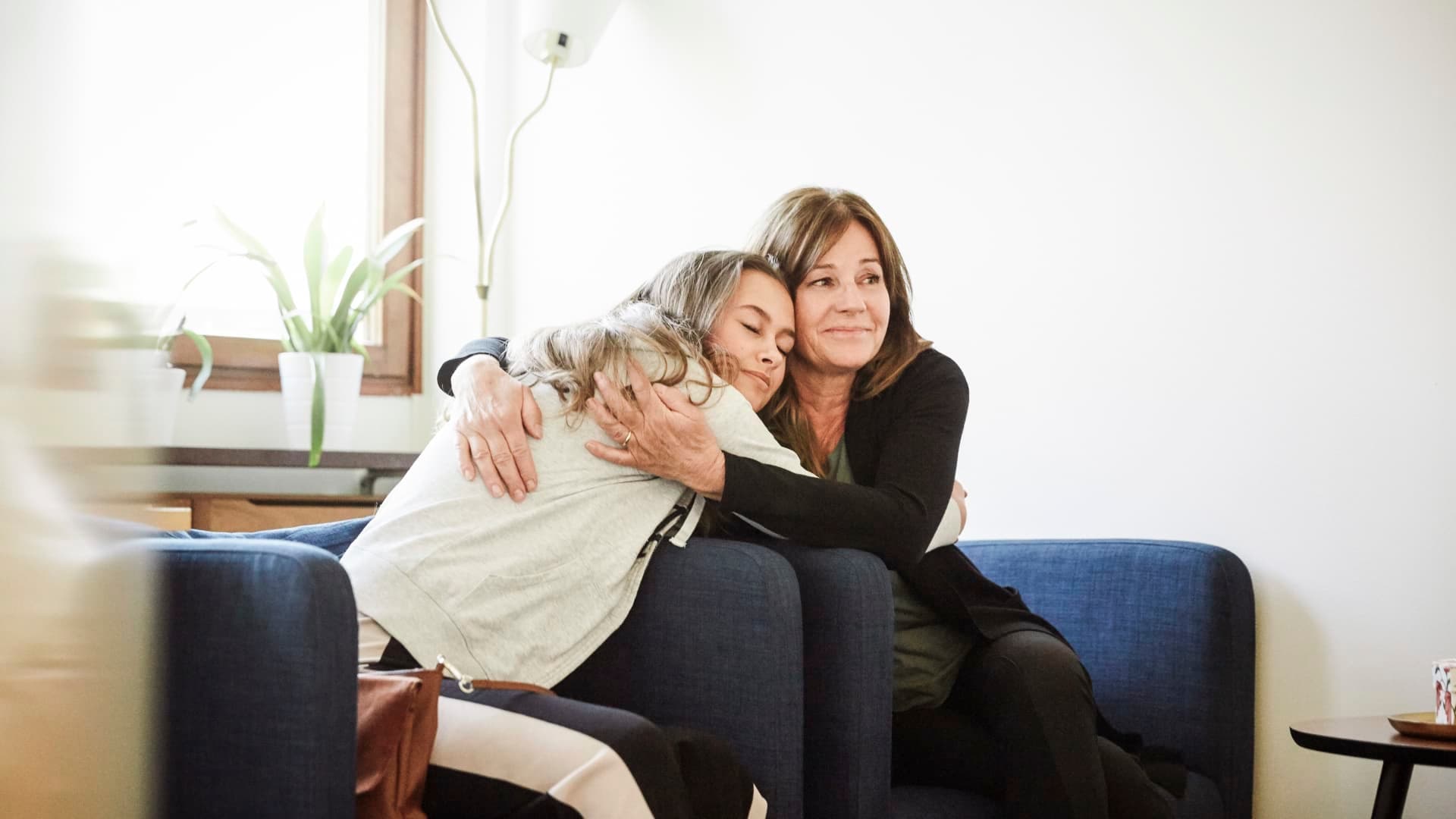
Individual goal-setting
Each participant engages in individual support to clarify personal goals, build insight, and translate learning into meaningful next steps beyond the program.
Family Support & Parent Program
Alongside the residential program, while young people are engaged in the on-site experience, parents and carers take part in a guided online learning experience designed to strengthen understanding, confidence, and connection. This includes: • A structured online parenting program completed during the residential stay • A facilitated peer parent group for shared support and reflection • Practical tools to support communication, boundaries, and emotional safety at home We recognise that lasting change happens in relationships. By supporting families alongside young people, we help create environments where progress can continue beyond the program.

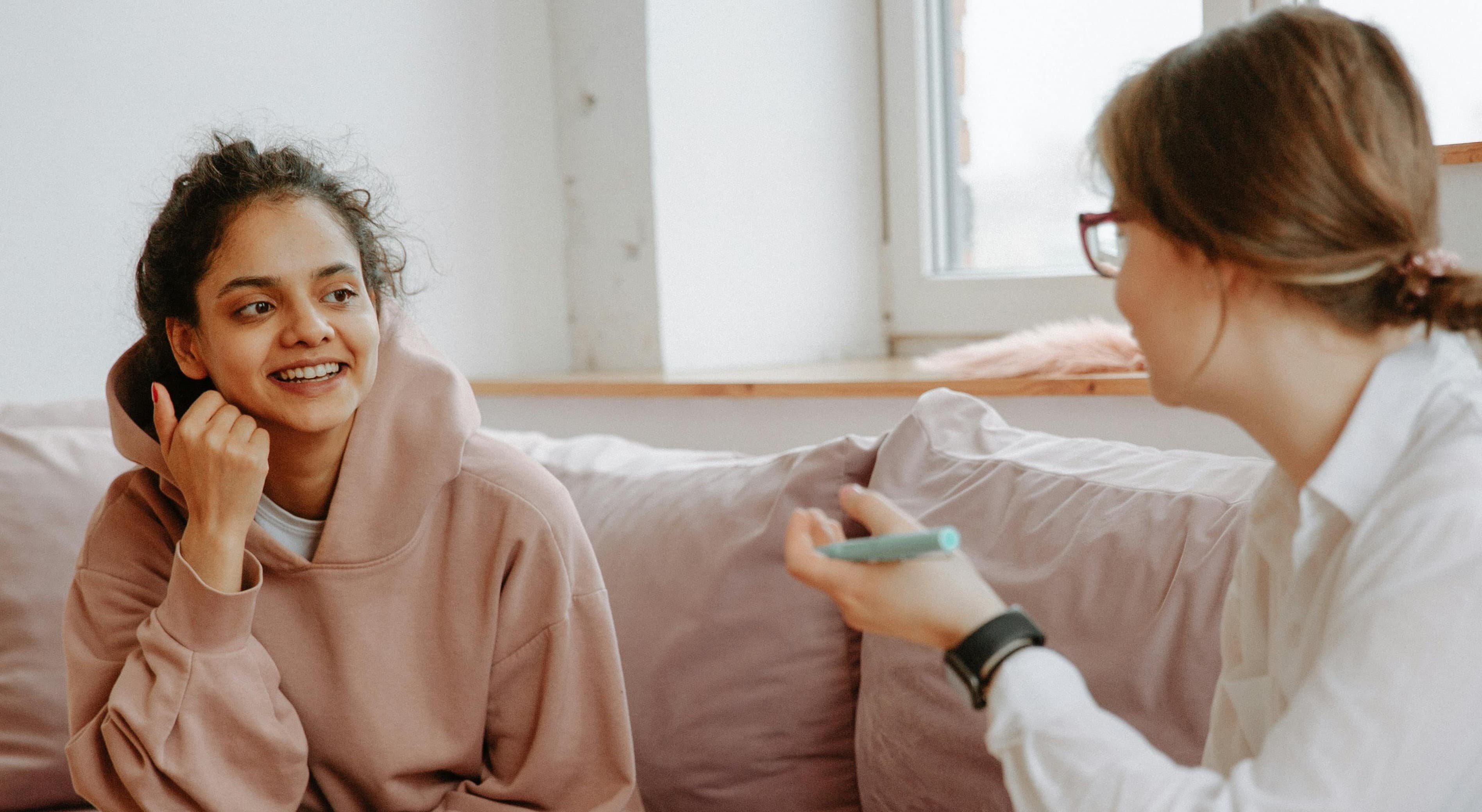
What Young People Gain?
Through structured support, relational connection, and practical skill-building, young people begin to experience meaningful shifts in how they feel, respond, and engage with the world around them. Participants will leave with: • Emotional steadiness: Support to reduce overwhelm and build greater internal stability. • A stronger sense of self: Greater confidence, identity and personal agency. • Practical coping skills: Tools for managing stress, decision making and everyday challenges. • Peer connection: Opportunities to build trust, strengthen social confidence and reduce isolation. • Skills for life beyond the program: Practical strategies girls can take back into home, school and daily life. These changes are strengthened through ongoing connection with families, supporting progress beyond the program.
Questions about the program
A structured residential environment built on safety, respect, and developmental support.